Core Movement & Control
Players direct a character through three-dimensional environments using keyboard arrows or touch gestures. The character runs and jumps between platforms that vary in size, shape, and motion. Some platforms stay still while others shift or rotate, requiring the player to time each leap carefully. The controls respond quickly to input, giving the player a direct sense of influence over the character's actions. This setup makes the game accessible to newcomers while still offering enough nuance for those who enjoy mastering movement.
Level Variety & Challenge
Each course introduces new arrangements of platforms and hazards. Early stages focus on simple gaps and stable surfaces, allowing players to learn the basic rhythm. Later courses add moving barriers, disappearing tiles, and angled surfaces that demand more precise jumps. The difficulty increases gradually, so players build confidence before facing more complex sequences. This structure keeps the experience fresh and encourages repeated attempts to improve performance.
Visual Style & Atmosphere
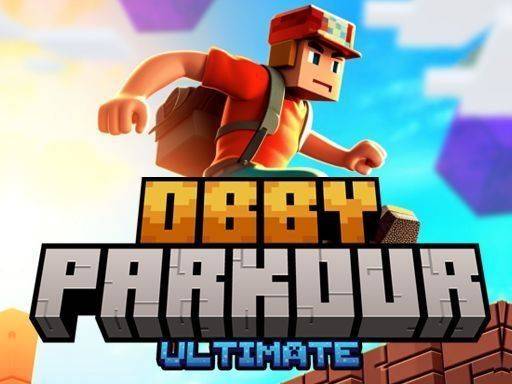
The game uses a clean, colorful art style that makes each platform and hazard easy to distinguish. Bright backgrounds and clear outlines help players focus on the path ahead without visual clutter. The three-dimensional perspective gives a sense of depth, which is important for judging distances when jumping. This design choice supports the core gameplay by making spatial awareness straightforward.
Progression & Rewards
As players complete courses, they unlock additional characters to use. Each character has a distinct appearance but does not alter the core mechanics, so the choice is purely cosmetic. This system gives players a small incentive to keep progressing and adds a layer of personalization. The focus remains on the challenge of navigating each course rather than on collecting items or managing resources.
Tips for Consistent Performance
Success in this game comes from observing patterns before acting. Watch how platforms move and note the timing of hazards. Make small adjustments to your jumps rather than large, risky moves. If a particular section proves difficult, take a short break and return with a fresh perspective. Regular practice helps build muscle memory for the most common platform sequences.


Player Comments
0 comments