Core Gameplay Loop
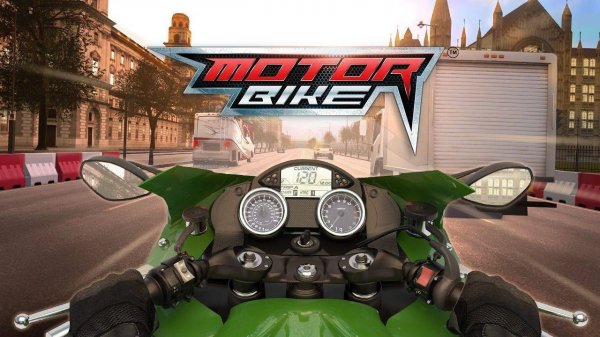
Traffic Dash Rider places you on a motorcycle speeding down a multi-lane road filled with cars, trucks, and buses. The primary task is to steer left or right to slip through gaps between vehicles without hitting them. Each successful pass keeps you moving forward, while a single collision ends the run. The traffic density increases over time, requiring sharper timing and quicker decisions. This straightforward setup makes it easy to pick up but hard to master.
Modes for Different Play Styles
Three distinct modes offer variety. The race mode pits you against computer-controlled riders, with the goal of being the first to cross the finish line. The endless mode removes the finish line, challenging you to travel as far as possible before crashing. A third mode rewards close passes, where brushing past vehicles without contact adds points to your score. Each mode emphasizes a different skill, from strategic overtaking to sustained concentration.
Visual Design and User Experience
The game uses a clean, uncluttered visual style that keeps the focus on the road ahead. Vehicle models are simple but distinct, and the road markings scroll smoothly to create a sense of speed. There are no distracting menus or tutorials. Players can start a new run instantly, which suits short play sessions during breaks. The interface is intuitive, with only the essential controls displayed on screen.
Difficulty Progression
As you play, the traffic patterns become more complex. Early runs feature sparse traffic with large gaps, allowing you to learn the basic steering and timing. Later stages introduce tighter clusters of vehicles moving at different speeds. This gradual ramp-up ensures that new players can enjoy the game immediately while experienced players find a consistent challenge. The difficulty resets with each new run, keeping each attempt fresh.
Scoring and Feedback
Points are earned by passing vehicles at close range. The closer the pass, the higher the score bonus. This encourages players to take calculated risks rather than simply avoiding all traffic. A visual indicator or sound cue typically signals a successful near miss, providing immediate feedback. The final score at the end of a run reflects both distance traveled and the number of close passes made.






Player Comments
0 comments